
Fun With Worldbuilding: Build Believable Worlds for Fiction and Nonfiction Writers is Out!
The next book in the Write Boost Writers Series gets into crafting amazing worlds for fiction and how to use worldbuilding in nonfiction.

I guess most people are content with their author voice, because my latest book, Develop Your Author Voice, has sold one copy. Sad for me, but I’m glad for writers!
At any rate, I’ve published the next book, Fun With Worldbuilding, based on my many classes, notes, and articles. I had a lot of fun putting this one together, especially in pulling out so many examples from Rob’s and my library. (Full disclosure: ChatGPT also supplied a few examples, but not the ones directly quoted.) Of course, now I have a new TBR pile from Rob’s books.
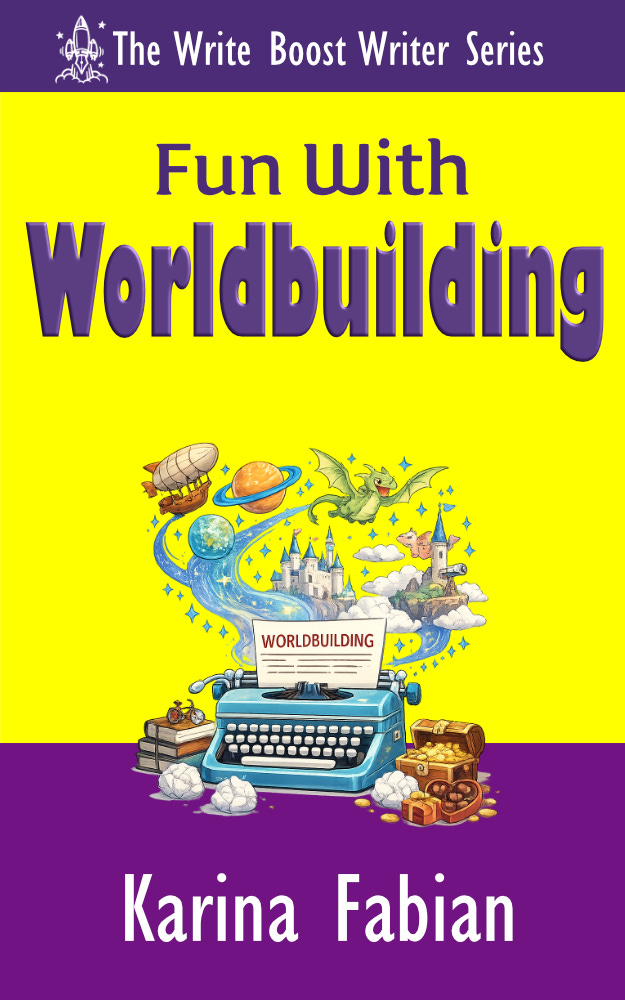
A beautifully built world is more than the background and interesting things your characters know and encounter. It’s the scaffolding that holds the story together, the fuel that moves the plot forward, and the window into your character’s motivations. In fiction and nonfiction, it provides color and substance. And it’s not hard to make!
In Fun With Worldbuilding: Build Believable Worlds for Fiction and Nonfiction Writers, I’ll walk you through how to create settings that feel rich and believable without turning your novel into an encyclopedia. We’ll look at culture, faith, politics, technology, magic, and everyday life—not as trivia to collect, but as tools that shape character and drive plot.
You’ll learn
· What questions to ask and how to find the answers.
· How to choose the details that matter.
· How to avoid the rabbit holes that stall your progress.
· How to make your world deepen your theme instead of distracting from it.
Whether you’re writing fantasy, science fiction, or contemporary fiction—or if you’re looking for a way to add more color and context to your nonfiction—this book will help you build smarter, not bigger.
Because worldbuilding isn’t about creating everything.
It’s about creating what serves the story.
Exclusive Sneak Peek
Breaking the Rule on Purpose
There are times when you will bend or break a rule deliberately.
You may promote the cadet in extraordinary circumstances. (Cadet to Captain Kirk, anyone?) You may design a medieval society with radically different gender norms. You may allow magic to be unstable.
The issue isn’t whether you can break the rule, but whether the world absorbs that break coherently.
· What structural change accompanies the exception?
· What consequence follows?
· What new tension emerges?
A rule broken without adjustment feels convenient.

Internal logic isn’t always easy, especially when it interferes with plot convenience, but it not only grounds the reader but can add a new dramatic tension to the story or force you to find creative ways around an issue—even if that means a different way to get the ship in trouble because Ensign Gel stunned the bad guy.
In the next chapter, we will look at different ways writers construct their worlds in the first place, from borrowing frameworks to letting characters drag the setting into existence.
As many of you know, I had planned on the rapid release of these books, but my mother has taken a turn for the worse. (In fact, I’ve moved in with my dad to help and am writing from his house.) That’s slowing down the writing process. The next book is on editing. It will happen…eventually.